Flat Roof Options for Long Island Homes: TPO vs. EPDM vs. Modified Bitumen
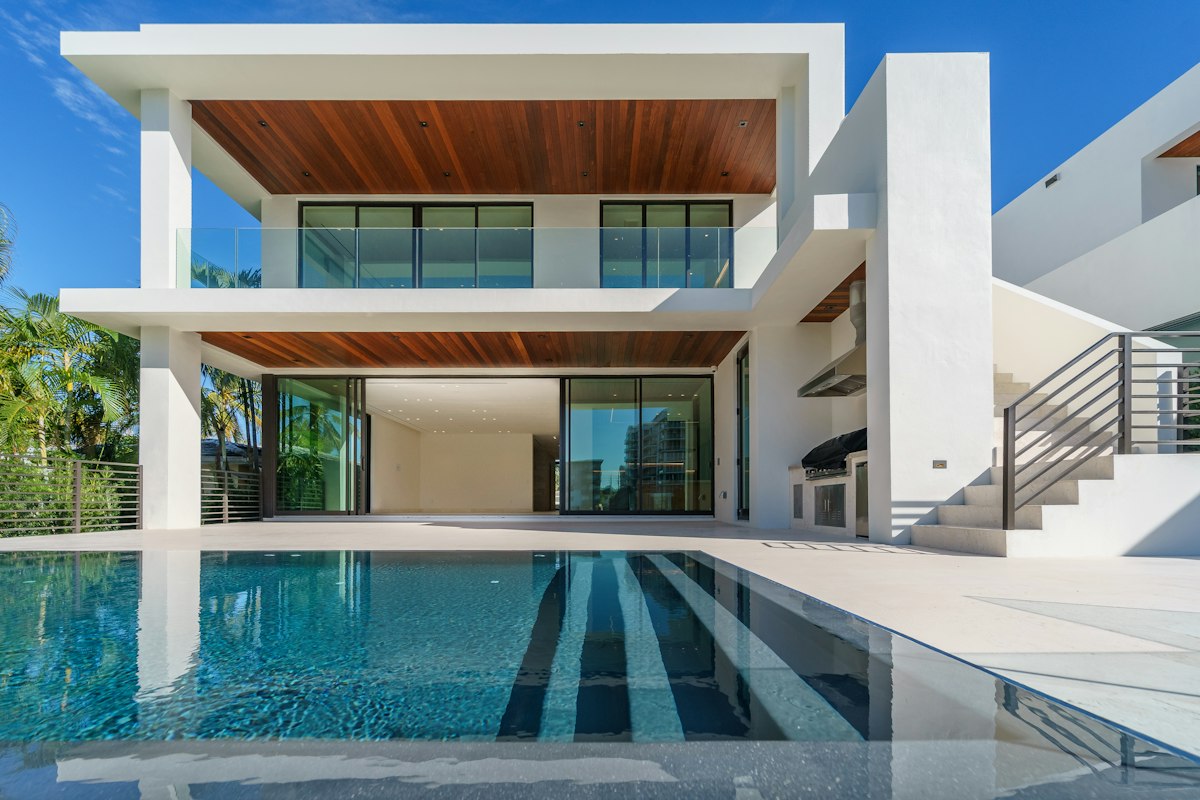
Flat and low-slope roofs are extremely common on Long Island — on ranch-style home additions, attached garages, sun rooms, bay windows, and commercial properties throughout Nassau and Suffolk County. If you're replacing a flat roof section, you have three primary options: TPO, EPDM, and modified bitumen. Here's how they compare for Long Island conditions.
Side-by-Side Comparison
| System | Lifespan (LI) | Cost/sq ft installed | Best Feature | Main Drawback |
|---|---|---|---|---|
| TPO | 20–25 yrs | $7–$11 | Heat-welded seams, energy efficient | Quality varies by brand |
| EPDM (Rubber) | 20–30 yrs | $6–$10 | Proven, flexible in cold temps | Black surface absorbs heat |
| Modified Bitumen | 15–20 yrs | $5–$8 | Durable, familiar to most roofers | Shorter lifespan, seams can separate |
TPO — Our Top Recommendation for Long Island
TPO (thermoplastic polyolefin) has become the dominant flat roofing choice on Long Island over the past decade. Its white surface reflects solar heat (reducing cooling costs), its heat-welded seams are stronger than adhesive or tape-seamed alternatives, and it performs well through Long Island's wide temperature range. TPO thickness matters — always specify 60-mil or heavier membrane for Long Island residential work.
EPDM — The Proven Rubber Option
EPDM (ethylene propylene diene monomer) is essentially a rubber membrane that has been used in flat roofing for over 50 years. It's extremely flexible in cold temperatures — a significant advantage during Long Island winters — and has an excellent track record. The primary downsides: its black surface absorbs heat in summer, and seams are adhered rather than welded, making them a potential weak point over time.
Modified Bitumen — Still Viable for Smaller Sections
Modified bitumen is asphalt-based roofing modified with rubber or plastic polymers, applied in layers with heat (torch-down) or cold adhesive. It's a familiar product that most Long Island roofers can install, making it a common choice for small repairs and small-area replacements. For larger flat roof sections, TPO or EPDM is typically the better long-term investment.
Critical: Drainage Design for Long Island Flat Roofs
Long Island averages 46–50 inches of rainfall per year, plus significant snow loads in winter. Flat roofs must be designed with adequate drainage to prevent ponding water. Standing water accelerates membrane deterioration and is the leading cause of premature flat roof failure. Any flat roof replacement should include an assessment of your drainage and slope.
Learn more about our flat roofing services → | More roofing articles →